If you live in Lancaster, Pennsylvania, you already know winter doesn’t “arrive” all at once.
We’ll get warm afternoons in October, a cold snap in November, a thaw in December, then a deep-freeze stretch in January.
That constant back-and-forth is exactly why lawn winterization matters here.
Done right, lawn winterization is not about forcing growth.
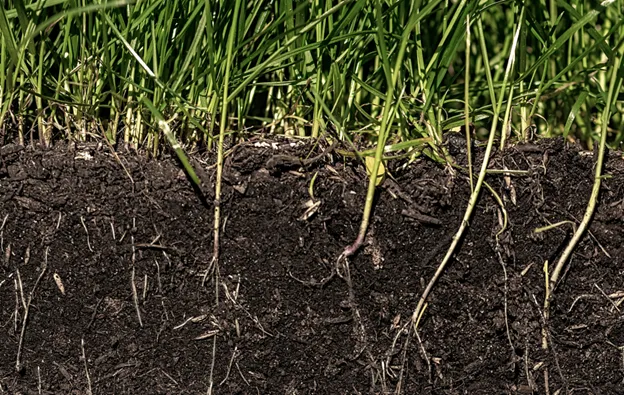
It’s about preparing cool-season turf (typical in Lancaster—tall fescue, Kentucky bluegrass, perennial rye) to store energy, protect crowns, strengthen roots, and reduce disease pressure so spring green-up is faster and more even.
Lancaster’s climate creates a clear timeline:
Lancaster County sits in a zone where cool-season grass thrives—especially in fall. But the transition to winter can be unpredictable.
Three local climate details change how you should approach lawn winterization:
The growing season ends around early November. Lancaster County’s growing season roughly March 15th to November 30, meaning you can plan most winterization steps for September through late November, with final touches in early December.
You have meaningful moisture most of the year. NOAA normals show 44.15 inches of annual precipitation at a Lancaster-area station. That means soil can stay wet in the fall, and wet soil + traffic = compaction.
Snowfall and freeze-thaw cycles occur often enough to matter. NOAA normals show 21.4 inches of annual snowfall, which is plenty to create snow-mold risk, ice crusting, and winter foot-traffic damage according to NCEI.
Penn State Extension’s seasonal lawn guidance emphasizes that fall is a key period for maintenance tasks like seeding and overall lawn management (especially for cool-season turf), according to Penn State Extension.
If you do only one thing for lawn winterization in Lancaster, do this: keep leaves off the grass.
Why it matters:
If there’s one step that separates random lawn care from a real plan, it’s soil testing.
Soil testing helps you:
This is where many homeowners get tripped up.
The right “winterizer” approach depends on grass type (Lancaster is mostly cool-season), soil conditions, and timing.
A winterizer-style application typically:
Freeze/thaw cycles can heave turf crowns and worsen poor drainage areas.
With Lancaster’s precipitation levels (44.15″ annually), winter puddling is common.
In Lancaster, PA, lawn winterization is less about “one magic product” and more about timing and fundamentals.
The local growing season runs roughly from March 15 to December 1, which gives you a clear window to aerate, seed, test soil, and finish fall nutrition before winter truly settles in.
Because Lancaster also sees about 44.15 inches of precipitation per year, wet soils and compaction are common obstacles—making aeration, drainage awareness, and traffic control essential parts of any winterization plan.
And with around 21.4 inches of annual snowfall, leaf management, mowing strategy, and disease prevention become more than “nice to have”—they’re the difference between a smooth spring green-up and patchy recovery.
If you do the basics well—clean the surface, fix compaction, seed early enough to establish, and feed the lawn intelligently—your turf will go into winter stronger, and spring will feel easier.
That’s the real payoff of lawn winterization: fewer surprises, faster green-up, and a lawn that looks like you planned ahead (because you did).